What each product actually is
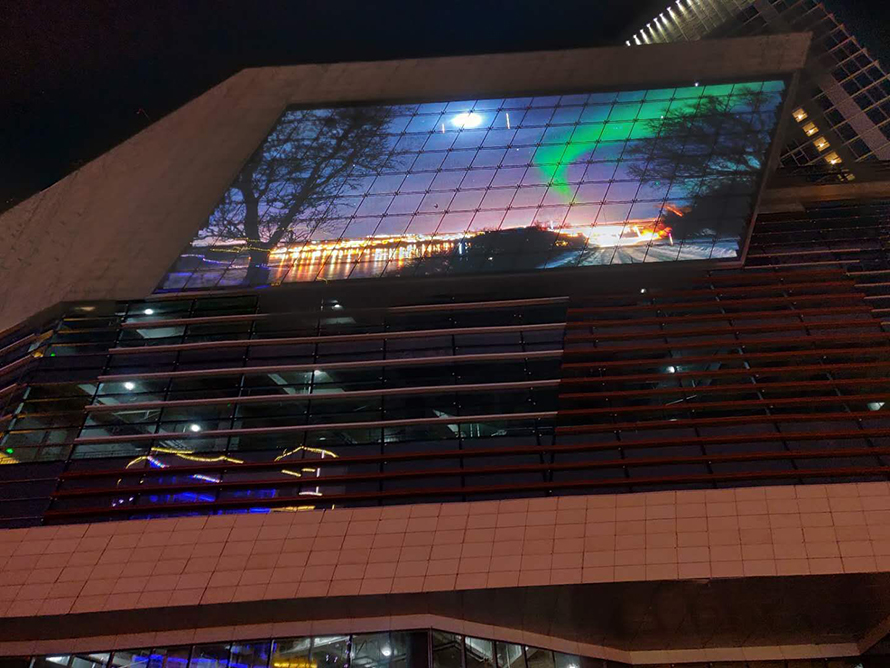
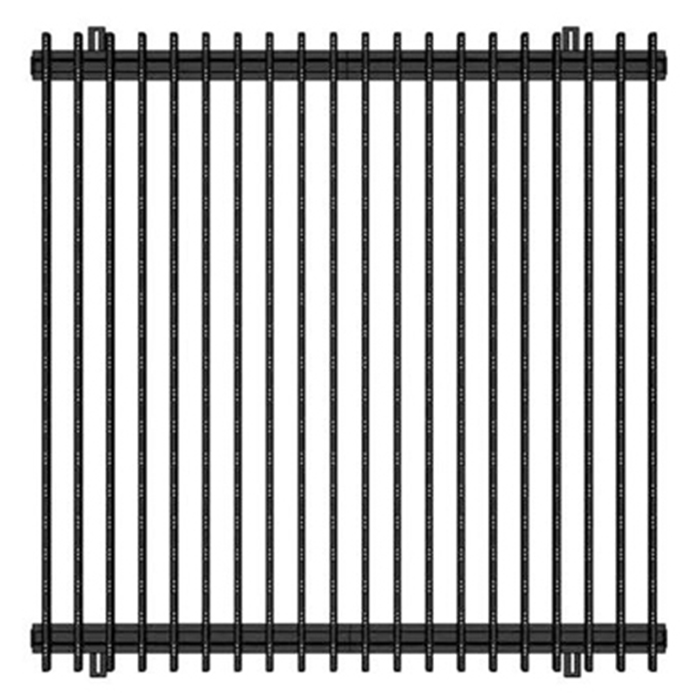
A transparent LED display is built from cabinets or panels with an open pixel structure. It is a physical assembly that sits behind, in front of or within the glass line, and it carries its own structural and service requirements.
An LED film is a flexible circuit bonded directly to the glass with a clear adhesive. There is no cabinet, no independent frame and very little depth. The glass becomes the mounting surface.
Where transparent LED wins
Choose a transparent panel when the screen has to be serviced from the front, when the installation needs a defined cabinet grid, or when the site needs higher brightness and a wider range of pitch options.
It is also the more practical choice where the display will run for years and spare parts, power distribution and control cabinets need a clear home.
- Retail windows and atriums with frequent content changes
- Outdoor or semi-outdoor frontage that needs sealed cabinets
- Projects that require a documented structural fixing
Where film wins
Film is strongest on existing glass where a frame would be intrusive. It follows the glazing, keeps the elevation clean and adds very little weight to the mullions.
It suits interior partitions, hospitality glazing and retail frontages where the glass itself is the design feature. The trade-off is that the glass condition and surface preparation matter more than on a cabinet system.
A practical selection path
Start with the glass: its size, condition, mullion layout and whether it can be drilled or bonded. Then define the viewing distance, the brightness needed at the brightest hour, and who will service the screen.
If the glass is sound, the frame would be visible and the content is short-form, film is usually the cleaner answer. If the site is exposed, the screen is large or service access is critical, a transparent panel gives more control.