Transparent LED Display
XLC Indoor Series
Indoor transparent LED from P2.6 to P10.4
The XLC Indoor Series uses 1,000 × 1,000 mm modules and a 6 kg/m² build. Six pitch options cover close-viewed interior glass through large atriums, with 60–80% transparency and a 5,000-nit white balance.
- Pixel pitch
- P2.6–5.2
- Transparency
- 65%
- Brightness
- 5,000 nits
- IP rating
- IP45

How the format works
Vertical LED strips are mounted on an open module, and the drive electronics sit at the module edge. Most of the panel area stays clear, so daylight and the view behind the glass remain part of the installation.
Selection notes
- Interior glass where daylight and sightlines must stay open
- Six pitches from P2.6–5.2 to P10.4, matched to the viewing distance
- Front service access and a concealed power route at the head or side of the glazing
Where this format fits
The series is chosen for the way the space is used and viewed, not only for the size of the opening.
Six pitch options
Pitches from P2.6–5.2 to P10.4 let the same module family cover close interior views and larger atrium sightlines.
Open sightlines
An open pixel structure keeps the view through the glass readable during the day and lets the screen lead at night.
Front serviceable
Modules and power units are reached from the viewing side, so maintenance does not disturb the interior.
Low structural load
The 6 kg/m² build reduces the load on mullions and existing glass supports.
Model specifications
The model table shows the range for this series. Site conditions determine the final cabinet, brightness and control configuration.
| Model | Pixel pitch | Transparency | Brightness | Cabinet size | Module size | Weight | IP rating | Refresh rate | Power | Control |
|---|---|---|---|---|---|---|---|---|---|---|
| XLC 2.6-5.2 | P2.6–5.2 | 65% | 5,000 nits | On request | 1,000 × 1,000 mm | 6 kg/m² | IP45 | ≥3,840 Hz | 100–300 / 300–600 W/m² | 1/11S scan |
| XLC 2.8-5.6 | P2.8–5.6 | 68% | 5,000 nits | On request | 1,000 × 1,000 mm | 6 kg/m² | IP45 | ≥3,840 Hz | 100–300 / 300–600 W/m² | 1/11S scan |
| XLC 3.125 | P3.125 | 60% | 5,000 nits | On request | 1,000 × 1,000 mm | 6 kg/m² | IP45 | ≥3,840 Hz | 100–300 / 300–600 W/m² | 1/11S scan |
| XLC 3.91-7.82 | P3.91–7.82 | 70% | 5,000 nits | On request | 1,000 × 1,000 mm | 6 kg/m² | IP45 | ≥3,840 Hz | 100–300 / 300–600 W/m² | 1/8S scan |
| XLC 7.82-7.82 | P7.82–7.82 | 75% | 5,000 nits | On request | 1,000 × 1,000 mm | 6 kg/m² | IP45 | ≥3,840 Hz | 100–300 / 300–600 W/m² | 1/4S scan |
| XLC 10.4 | P10.4 | 80% | 5,000 nits | On request | 1,000 × 1,000 mm | 6 kg/m² | IP45 | ≥3,840 Hz | 100–300 / 300–600 W/m² | 1/4S scan |
Typical values shown for series comparison. Final specifications are confirmed against the project configuration and current datasheet.
Verification
What you can check before the order
A transparent screen is an optical, structural and electronic decision at the same time. The points below show what can be reviewed with the sample, the drawings and the batch record rather than taken on trust.
Request the verification packSample measurement
A sample module can be measured against the agreed pitch, transparency and brightness before the batch is released.
Batch test record
Aging and outgoing inspection records are matched to the serial numbers that ship with the project.
Interface drawings
Fixing, power and signal routes are issued for approval before production starts.
Locked datasheet
The final datasheet follows the confirmed bill of materials. Catalogue values stay typical until then.
Catalogue values are typical. The project datasheet, test record and drawings are the controlling documents for the confirmed configuration.
Applications
All markets
Retail & Storefront
Window and in-store displays that add motion at street level while keeping the shop interior visible.
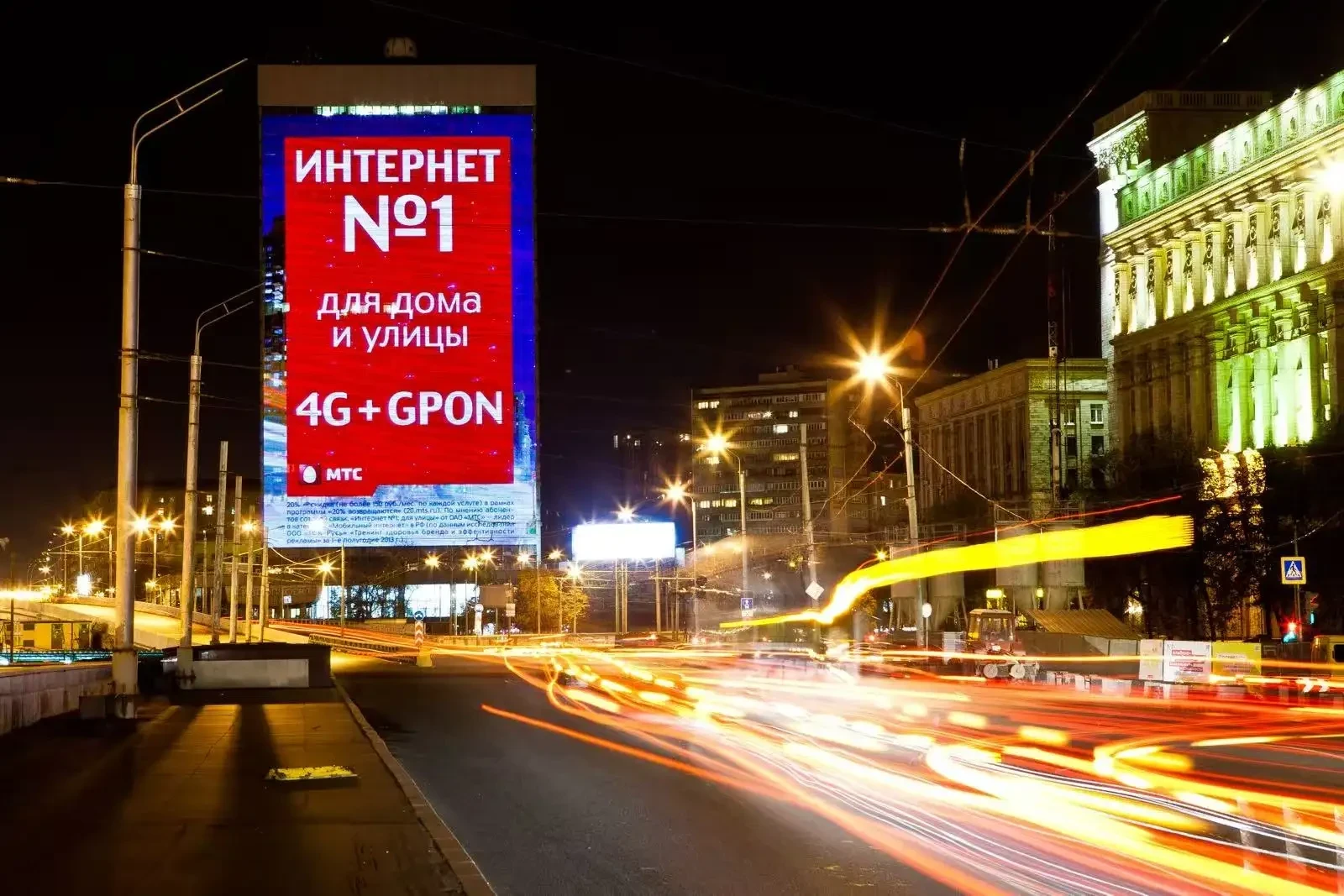
DOOH & Advertising
Street-level and venue media surfaces that carry advertising without turning the building into a solid billboard.
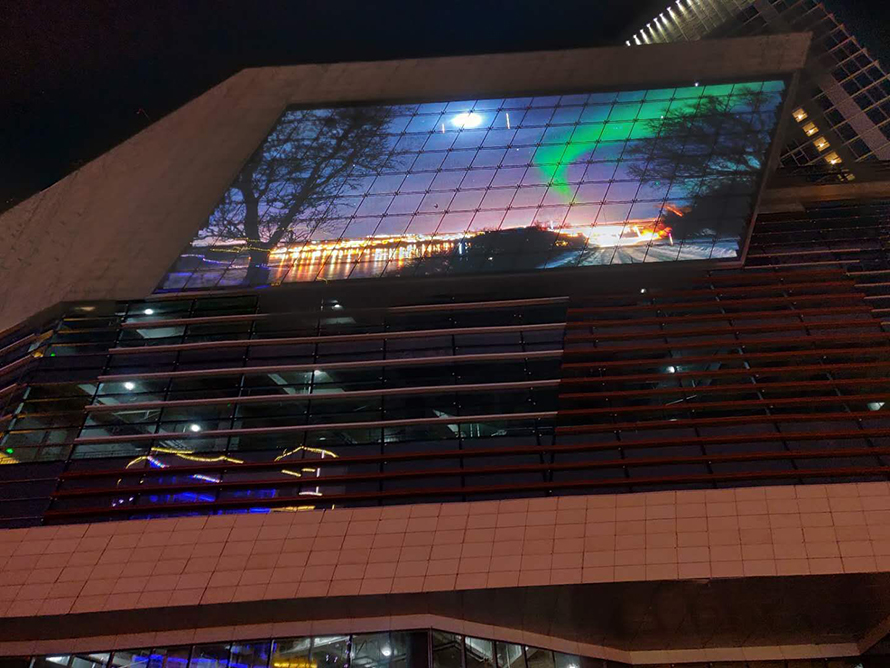
Architecture & Glass Facade
Facade media that follows the building line and keeps the glazing readable behind the screen.
Installation and service
Mounting and service are agreed with the site, not assumed from the product drawing.
- Mounted on the interior face of the glass or on a dedicated frame behind it
- Power and signal routed at the head or side, not through the glass
- Control cabinet located within the recommended signal distance
Maintenance
Front-accessible modules, replaceable power units and a magnetic service tool. Spare parts can be supplied with the project order.
Project package
What ships with the screen
The quotation is built around the site, so the package is confirmed before production. A typical project includes:
- LED cabinets, modules and a matched spare set
- Power, data and control cabling for the agreed layout
- Receiving cards with the controller configuration
- Aging test record and outgoing inspection checklist
- Installation drawings, wiring schedule and service guide
Typical package shown for planning. Final scope, spares and documentation are confirmed in the quotation.
Technical documents
Documents are issued against the confirmed configuration. No download files are published before the model and control package are fixed.
Related series


Specify the XLC Indoor Series for your project
Share the site conditions and target date. We will confirm the model, cabinet layout and control package.
Mon to Fri, 09:00 to 18:00 (GMT+8)