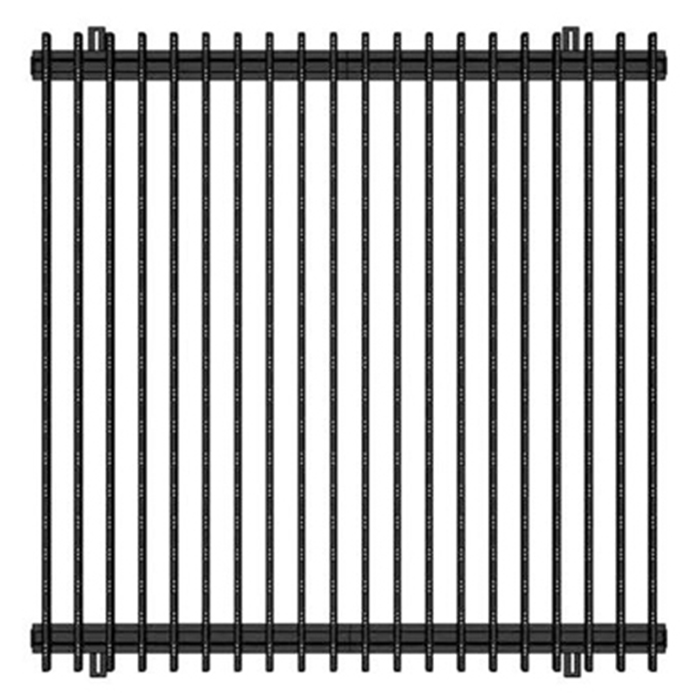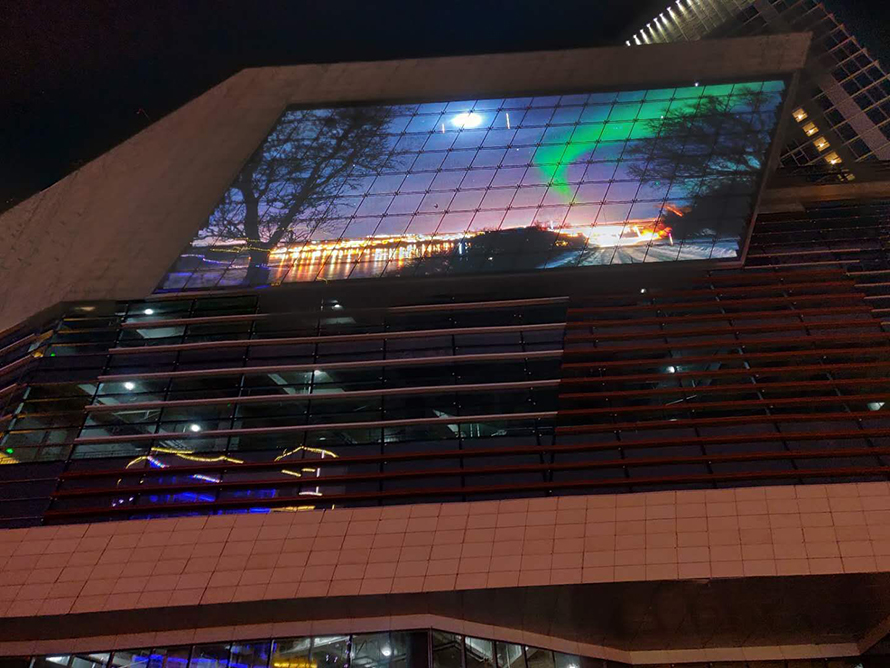
Survey the glass before the screen
Existing glazing varies more than new-build facades. Record the glass type, thickness, mullion spacing, seal condition and any opening vents. These details decide whether a film can be bonded or a frame can be fixed.
If the glass is laminated, coated or curved, the fixing method needs to be confirmed with the glass supplier before design proceeds.
Load and fixing
A film adds very little load, but a transparent panel or mesh screen introduces brackets, cabinets and service loads. These must be resolved with the facade engineer rather than assumed.
For listed or sensitive buildings, the fixing strategy may need to avoid drilling the original frame. Clamped or suspended solutions are often possible but require early coordination.
Power, signal and service
Retrofit routes are usually the hardest part. Power and signal need a path from the plant room to the screen without crossing occupied space or breaking the facade line.
Decide who services the screen and how. A front-service panel can avoid internal access, while a rear-service design may require a maintained walkway.
Commissioning and handover
Commission the screen at the brightness and colour settings it will actually run at, not at maximum. Record the settings and the content schedule for the facilities team.
Handover should include spare modules, the control layout and a simple fault guide. Retrofit sites rarely have a dedicated AV team on site.